[Faq] Cylindrical Roller Bearing Selection Guide
Selecting the right cylindrical roller bearing involves analyzing load, speeds, lubrication, precision, cage design, and operating environment. 1. Determine Load...
30 Mar, 2026[Faq] Full Complement Cylindrical Roller Bearings Explained
Full complement cylindrical roller bearings have no cage, allowing more rollers per unit width, which increases radial load capacity significantly....
30 Mar, 2026[Faq] High‑Speed Cylindrical Roller Bearings – Tips & Considerations
Cylindrical roller bearings can handle moderate to high speeds when properly designed and maintained. Key factors influence speed performance. Precision...
30 Mar, 2026[Faq] Can Cylindrical Roller Bearings Take Axial Load?
Cylindrical roller bearings are primarily designed for high radial loads. However, some types can carry limited axial forces or be...
30 Mar, 2026[Faq] NU vs NJ Cylindrical Roller Bearings
NU and NJ are two common single‑row cylindrical roller bearing types with different axial support characteristics. NU Bearings No flanges...
30 Mar, 2026[Faq] Cylindrical Roller Bearing Applications
Cylindrical roller bearings excel in applications that demand high radial load capacity and stable performance under heavy conditions. Below are...
30 Mar, 2026[Faq] What Are Cylindrical Roller Bearings?
Cylindrical roller bearings are a type of rolling‑element bearing that uses cylindrical rollers to maintain line contact with inner and outer raceways. This design allows them to support significantly higher radial loads compared to ball bearings, while keeping friction and heat generation low.
02 Apr, 2026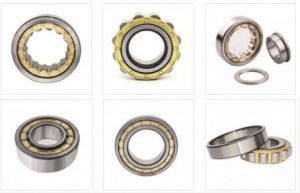
[Faq] Cylindrical Roller Bearings: Types, Design Codes, Applications & Selection Guide
What Are Cylindrical Roller Bearings? Cylindrical roller bearings are high-performance rolling-element bearings designed to support heavy radial loads with low...
03 Apr, 2026